There is something fascinating about the moment you sit down at a cribbage board and realize the game is not only about math or luck. It becomes a quiet dance of instinct, observation and mental presence. If you have played long enough, you have probably noticed how much your inner world influences every move.
You read the slight hesitation when an opponent chooses a card. You sense confidence in the way they peg. You anticipate decisions before they happen because you have learned to see the game in a deeper way. That is where the real magic of cribbage psychology begins.
It takes the familiar rhythm of counting fifteens and building hands and blends it with the subtle art of understanding people. The more you study these patterns the more connected you feel to the game itself. This guide invites you to look beneath the surface, into the mental game that transforms ordinary players into calm, strategic and intuitive competitors.
Once you start exploring cribbage psychology, you begin to notice that every player leaves small clues behind. Some people reveal confidence through quick choices while others show uncertainty through pauses and repeated glances at their cards. These tiny signals might seem meaningless at first, but they gradually become guideposts that help you read the board in a more accurate way.
Here is the thing. Cribbage is not just a card game. It is a mental exchange. When you learn the skill of opponent reading, you understand the intentions behind moves rather than only reacting to the cards you see. For example, if your opponent consistently avoids creating sequences during pegging, it often hints that they are protecting high scoring cards.
If they play boldly early in the hand, they might be holding combinations they feel secure about. This kind of awareness strengthens your decision making and gives you a sense of direction even when the cards feel unpredictable.
It also introduces you to advanced tactical approaches that serious players rely on to stay one step ahead. Over time, you begin to see patterns that help you compete confidently even in unfamiliar situations.
You might assume cribbage is mostly about card values and counting, but anyone who enjoys game strategy psychology knows the truth. The players who rise above others are not just good at numbers. They are thoughtful, patient and observant. They understand how emotions influence choices. They recognize moments when pressure affects judgment.
They stay grounded even when the game moves quickly. This is where true strategic thinking shines. It allows you to see the long game instead of reacting only to immediate points. Skilled players think two or three moves ahead, shaping the flow of pegging and protecting their hand without giving away opportunities.
They know how to set traps without appearing aggressive and how to slow the pace when an opponent begins gaining ground. This mindset is especially important in competitive play environments where opponents think sharply and adapt quickly. Knowing how to manage your internal state becomes as important as knowing how to construct strong hands.
Your emotional control becomes a tool that guides your choices and prevents impulsive mistakes. Interestingly, people who follow sports often understand this naturally. Many of the psychological principles you see in competitive psychological tactics soccer fans already understand also apply to cribbage.
The pacing, the reading of momentum, the anticipation of a move before it happens. These shared patterns make the psychological side of cribbage even more intriguing for players who enjoy strategy in all forms.
A significant part of cribbage psychology involves learning how to observe without overthinking. Noticing a player’s habits gives you an advantage that is subtle yet powerful. Some opponents play quickly because they fear letting you read them. Others play slowly because they evaluate every detail. Some show emotion during big hands while others stay completely neutral.
What this really means is that every cribbage match becomes a small study of human behavior. When you pay attention to these patterns, you start recognizing the mental game unfolding beneath the surface. For example, players who hesitate before discarding to the crib often struggle with risk management.
Players who rush pegging decisions might be trying to hide nervousness. Those who remain calm in tense moments often have a strong competitive mindset.
Understanding these tendencies gives you more accurate expectations and helps you choose your responses with intention. You might play defensively against someone who shows confidence or shift into a trickier rhythm against someone who seems hesitant. These strategic adjustments turn the game into a flowing back and forth exchange where your awareness becomes just as valuable as your cards.
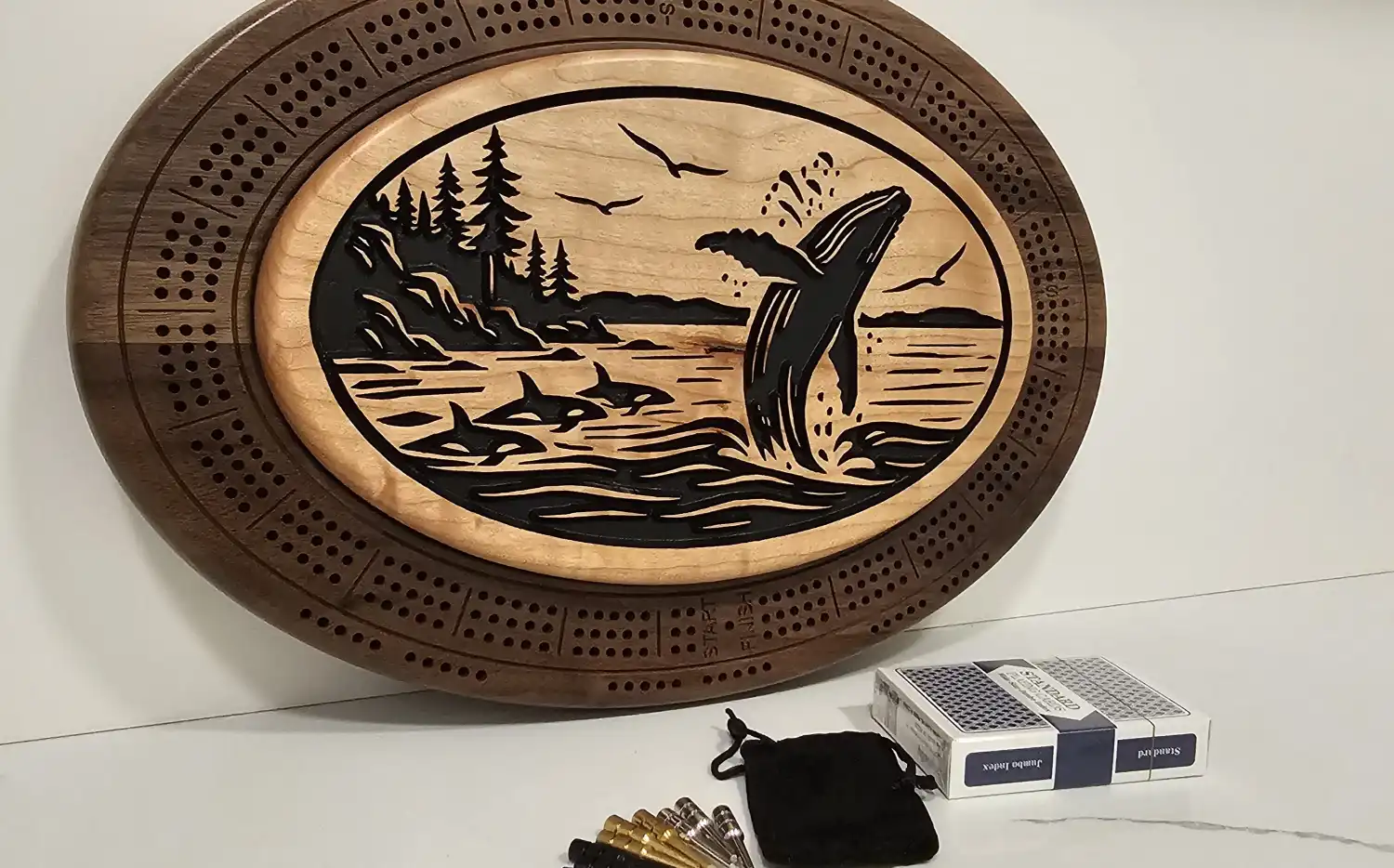
To build these skills effectively, many players find it helpful to practice with boards that feel meaningful. There is something grounding about playing your mental game on professionally crafted boards, where the quality elevates your presence and keeps you focused through each subtle shift in play.
As you progress, you begin to understand that cribbage is as much a mental challenge as a strategic one. You can have a strong hand but still falter if your emotions take over. You can be ahead in points yet lose your rhythm if you become distracted by an opponent’s confidence. This is why emotional awareness matters so deeply.
The best players stay calm even when the cards are unpredictable. They manage disappointment without losing focus and approach every round with renewed clarity. This level of mental strength defines the foundation of game strategy psychology, because your mindset shapes how well you apply your skills.
Think about how often players make mistakes when they are frustrated. They rush. They stop thinking clearly. They overlook small opportunities. When you master emotional control, you prevent these moments from taking hold. You stay steady in your approach and more intentional in your choices.
This is the heart of cribbage psychology, and it is what lifts your game to a more professional level. The calm you cultivate helps you think clearly during pegging battles and allows you to see opportunities before they disappear. Over time, this clarity becomes a quiet competitive advantage that experienced players recognize instantly.
Just like athletes build routines to stay mentally sharp, cribbage players benefit from daily habits that strengthen their focus and strategic awareness. Practicing mindfulness while playing. Observing patterns without judgment. Noticing your emotions rather than reacting to them. These habits gradually shape your ability to perform under pressure.
Consistency is the key. The more often you reflect on your choices, the better your decision making becomes. The more you study your opponents’ reactions, the more accurately you can anticipate their moves. The more you practice staying calm when the game becomes tense, the more naturally your composure carries over into real competition.
With time these skills layer together and transform your style completely. You stop playing only with your cards and start playing with your presence. You stop reacting and begin guiding the rhythm of the game. You step into every match with the confidence of someone who understands both the visible and invisible sides of cribbage.
Many players also notice that their environment influences how deeply they focus. Playing on high quality boards has a surprisingly grounding effect. The feeling enhances the experience and helps you stay present. This is why so many enthusiasts appreciate playing your mental game on professionally crafted boards, which make every session feel more intentional.
Understanding the deeper layers of cribbage psychology changes everything about how you experience the game. It no longer feels like a simple exchange of cards. It becomes a thoughtful exploration of patterns, emotions and intentions. You learn to read the subtle shifts in behavior that reveal your opponent’s confidence or hesitation.
You recognize how your own mindset shapes your choices and influences every moment of play. Over time, this awareness builds into a sense of calm strength that supports you even when the game becomes unpredictable. This is also where the value of game strategy psychology becomes clear.
It helps you stay grounded, think ahead and make choices that reflect your growing skill. Whether you are playing at home with friends or facing sharpened minds in competitive play environments, the mental groundwork you develop will always guide you. The goal is not perfection.
The goal is presence. When you understand the psychological side of cribbage, you connect with the game in a more meaningful and rewarding way. Elevate your mental game with a board worthy of serious play. Shop premium designs now!


Share :